Which Safety Factors Are Crucial When Using an I Beam Trolley?

One of the most important features of material handling operations in many industries is the I beam trolley system, the variations of which include the I beam roller trolley. The systems make it easy to process in manufacturing, storage, construction, and logistics because they provide an efficient means of transferring big loads across beams horizontally. But since the inadequate use could lead to significant damage, equipment, or operational disruption, the safe functioning of such systems requires a comprehensive recognition of the safety aspects.
Comprehending the I Beam Trolley Mechanism
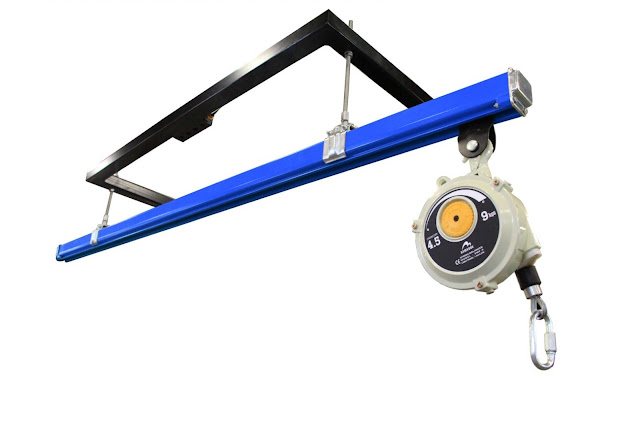
An I beam trolley system is primarily composed of a suspended trolley that rolls along an I-shaped beam. The trolley can roll freely over the length of the beam since it is normally mounted on wheels that traverse the lower flange of the beam. The load is supported by a lifting machine attached to the trolley or by a hoist.
Procedures for Inspection and Maintenance
They are supposed to be safe and permanent, so the i beam trolley system needs frequent inspection and maintenance. Wear, deformation, or corrosion should be observed on the trolley bearings, wheels, and the beam itself before operation. Repairing any obvious defects or damage must be done.
To ensure an easy and controlled movement, one must keep the moving parts, which include the wheels and gears, lubricated with oil to reduce wear and friction. Tightening or replacement of parts can be done because of the loosening of parts over time, thus ensuring safety standards are not compromised.
Installing and securing the trolley system correctly
Correct installation of the trolley system I beam is essential for its safe use. The trolley wheels should not be excessively loose between the beam flanges, or the trolley should be sufficiently sized and set to fit the beam width. Installation should include installing bolts and lock nuts as per the manufacturer's torque specifications, and the trolley should move without restraint.
Operational awareness and training
The I-beam trolley system must be operated under the supervision of qualified and experienced personnel. Load capabilities, safe lifting and moving practices, and proper balance and securing of goods are all things that operators should know.
One must know about the surroundings, particularly overhead obstructions, surrounding persons, and clear paths of transportation. At the time of trolley operation, worker communication gives the coordination of movement and the elimination of accidents.
Emergency and Rescue Preparedness
Emergency planning is crucial in settings where i beam trolley system is used. Incidents like load drops or operator falls can be responded to quickly thanks to rescue plans and readily available emergency equipment.
Safe arresting in case of a drop of both human beings and loads is enabled by having enough space under the trolley and the load. Conducted frequently, safety audits and drills enhance safety culture and preparedness.
Conclusion
The use of i beam roller trolleys should be performed safely, one of the requirements of which is an attentive attitude to the load capacity, proper installation, and all inspections and maintenance tasks. Proper training, communication, and emergency preparedness can help create an environment that allows material handling activities to be performed effectively and safely.

.jpg)
Comments
Post a Comment